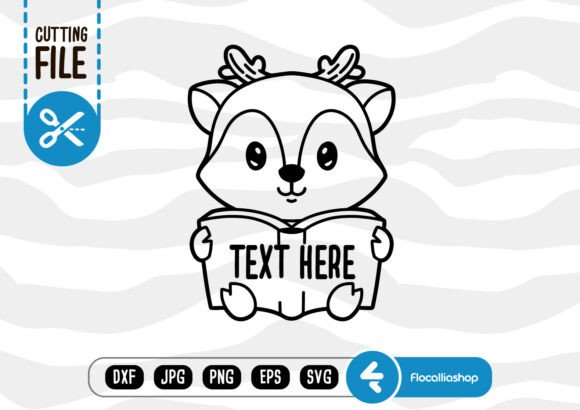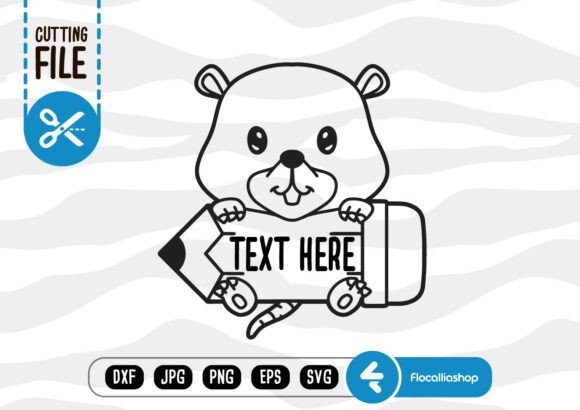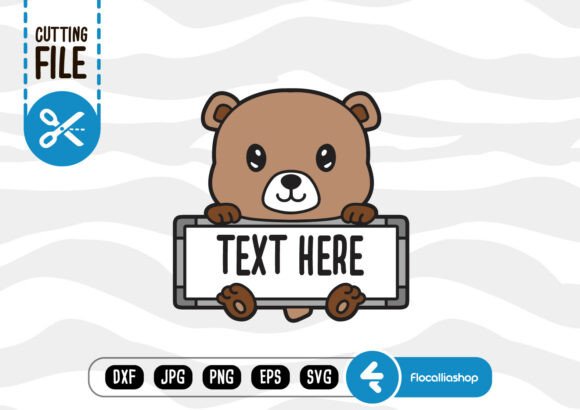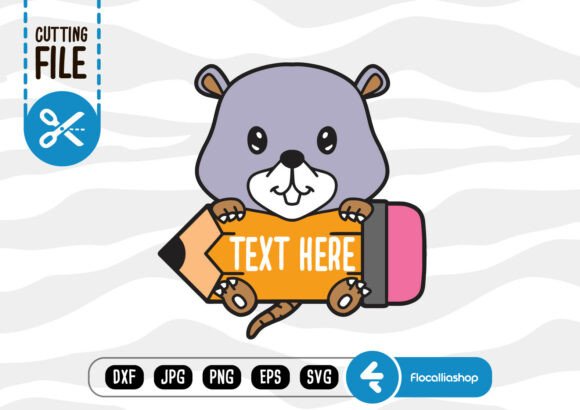
Woodland Pencil Art SVG, Deer SVG for Crafts & Graphics
As someone who’s launched over 200 digital product listings across Etsy, Creative Fabrica, and Shopify—mostly SVG bundles, printable kits, and Canva templates—I opened Woodland Pencil Art SVG, Deer SVG expecting a quiet but versatile asset. What I found was a thoughtful, minimalist graphic design asset that leans into gentle storytelling rather than loud trends. It’s not flashy—but that’s exactly why it works so well for small business branding and evergreen digital downloads.
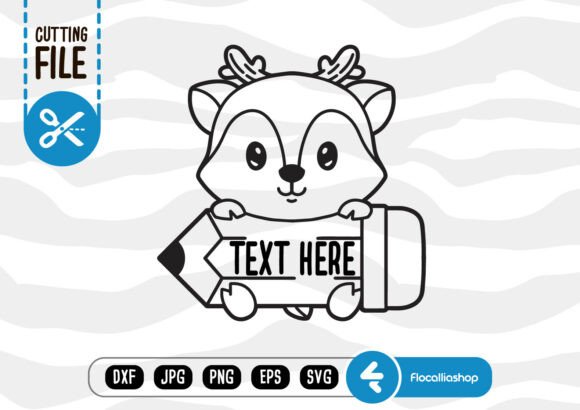
The first impression is calm, intentional, and quietly educational. The Cute Woodland Animal Pencil Outline Monogram blends a delicate deer silhouette with a split-pencil motif—clean, hand-drawn in spirit but technically precise. It reads as rustic-meets-modern: soft enough for nursery prints or planner stickers, structured enough for t-shirt designs or sublimation mugs. It doesn’t scream “festive” or “vintage”—it whispers “thoughtful handmade business.” That makes it ideal for audiences who value authenticity over algorithm bait: parents building Waldorf-inspired printables, educators creating classroom resources, or indie stationery sellers curating slow-living aesthetics.
In real product-testing scenarios, this SVG shines across multiple formats. I ran it through six use cases before finalizing a new Etsy collection: as an SVG design for Cricut projects (cut cleanly at 3–5 inches), as a PNG design with transparent background for Canva templates (scaled smoothly up to 12″), as clipart in a seasonal bundle (paired with mushroom and fox outlines), as a sublimation design on light ceramic mugs (crisp edges, no pixelation), as a printable wall art piece (printed at 8×10 on matte cardstock), and as a sticker design for planner kits (tested at 1.5″ with clean vinyl cut lines). Each time, it held its visual hierarchy without needing heavy editing.
Where it elevates product presentation is subtle but measurable. On marketplace thumbnails, the pencil outline creates just enough contrast against white backgrounds to stand out—without competing with text overlays. In mockup previews, it adds warmth to neutral-toned product mockups (think linen tote bags or kraft paper journals), helping customers imagine how it fits their brand identity. When bundled with serif fonts like Playfair Display or handwritten fonts like Qwigley, it reinforces a cohesive, premium feel—even in low-cost digital downloads. That perceived value directly impacts click-through potential, especially in saturated categories like printable planners or nursery art.
This graphic design asset performs best where clarity and mood matter more than complexity: large-format printable designs, themed digital paper packs, social media graphics for eco-conscious brands, packaging design for small-batch candles or herbal teas, and blog graphics explaining nature-based learning. It also works exceptionally well inside Canva templates—especially editable invitation suites or teacher resource kits—because its outline style leaves ample negative space for text and color blocking.
That said, there are places to use Woodland Pencil Art SVG, Deer SVG carefully. Avoid scaling it below 1 inch for physical sticker sheets—the pencil detail blurs in tiny cuts. Don’t layer it over busy patterns or dark backgrounds without testing contrast first; the thin strokes lose definition. It’s not ideal for text-heavy templates where visual hierarchy needs bold anchors—it’s a supporting player, not a headline. And if your Cricut or Silhouette project demands intricate interior cuts (like layered wood grain or fine antler texture), this monogram’s simplicity means you’ll want to pair it with complementary clipart—not rely on it alone.
Before publishing any product using this asset, here’s what I always test: First, preview it as an Etsy thumbnail at 400×400 pixels—does it read clearly? Second, drop it onto both white and charcoal mockups to check legibility and emotional tone. Third, print a test sheet on standard copy paper and photo paper—verify that the pencil line weight stays consistent and doesn’t fade or bleed. Fourth, open the SVG in Design Space and check node count and path integrity—no stray points, no overlapping vectors. Fifth, confirm the PNG version has true transparency (no gray halo) and exports at 300 DPI. Sixth, organize files for customers with clear naming: “Deer_Pencil_Monogram_SVG”, “Deer_Pencil_Monogram_PNG_300DPI”, etc.—this reduces support requests and builds trust.
Typography pairing matters more than most sellers realize. With this design, I’ve found serif fonts add quiet authority (great for educational printables), sans serifs like Inter keep it modern and accessible (ideal for Canva templates), and script fonts like Pacifico gently reinforce the handmade vibe (perfect for greeting cards). Never force a display font unless it’s part of a deliberate brand system—this asset thrives on restraint.
Crucially: verify the commercial license covers your intended use. If you’re selling finished products (e.g., mugs with this design printed on them), ensure the license permits print-on-demand and physical resale—not just digital redistribution. Most reputable sellers include this, but always double-check the terms before listing. This isn’t just legal housekeeping—it protects your handmade business long-term.
Bottom line: Woodland Pencil Art SVG, Deer SVG won’t go viral overnight, but it’s the kind of commercial design that earns repeat buyers, positive reviews, and natural cross-selling opportunities. It fits seamlessly into digital download shops, supports seasonal collections without feeling dated, and helps small business branding feel intentional—not incidental. For crafters, designers, and creative entrepreneurs building sustainable online income, it’s less of a “trend” and more of a reliable, quietly effective design asset.