Animal Layered Board SVG, Skunk SVG
A Skunk That Actually Stitches Well—Not Just Cutesy on Screen
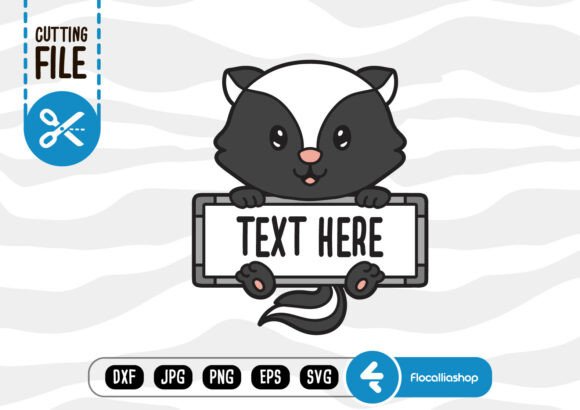
Let’s be real: I opened Animal Layered Board SVG, Skunk SVG expecting another overly sweet woodland motif—charming in theory, frustrating in stitch. Instead, I got something that feels intentionally designed for embroidery use, not just digital display. The skunk is stylized but grounded: clean silhouette, balanced negative space, and layered elements that suggest depth without demanding impossible detail. It reads as playful but not childish—ideal for a boutique baby onesie, a teacher’s embroidered apron, or a small-batch kitchen towel line. No forced whimsy. Just quiet confidence in its shape.
What Happens When You Stitch It—Not Just Preview It
I ran Animal Layered Board SVG, Skunk SVG on a medium-weight cotton twill tote bag first—my go-to test for clarity, drape, and customer appeal. With proper tear-away stabilizer and 40-weight polyester thread, the layered “board” effect translated cleanly: the skunk’s body popped forward, the white stripe held crisp edges, and the subtle split-monogram framing didn’t vanish into fill stitch mush. This isn’t a design that needs heavy digitizing rescue—it arrives with smart spacing and breathable stitch density. That matters when you’re stitching 50 units for a craft fair or prepping mockups for an Etsy listing.
On sweatshirts? It held up—especially when placed high on the chest or centered on the back. The skunk’s rounded form avoids awkward stretching across seams or ribbing. On baby onesies? Yes—but only with lightweight cut-away stabilizer underneath and reduced top tension. The ears and tail tip are delicate enough to fuzz on thin knit fabric if you skip stabilization. I’d avoid it on ultra-stretchy jersey unless you’re using an applique design approach with clean satin-stitched edges.
Where It Shines—and Where It Needs Guardrails
- Tote bags & tea towels: Perfect scale and contrast. The layered board aesthetic reads clearly even at 3.5"–4.5" wide—ideal for branded small shop products.
- Embroidered patches: Works beautifully as a standalone motif. Clean outer edge, no floating threads, minimal underlay clutter.
- Nursery decor & holiday gifts: Feels warm and intentional—not generic. Paired with soft gray or oatmeal thread on linen pillow covers, it lands as heirloom-quality handmade product.
- Dark fabric: Test your white or light-gray thread choice carefully. Some versions of this design rely on stark contrast—the stripe must read, not blur.
- Curved surfaces (caps, curved pockets): Proceed with caution. The layered board outline isn’t built for aggressive contouring. Stick to flat panels unless you’re willing to manually adjust push/pull compensation.
- Small hoops (under 4"): The full layered composition shrinks poorly below 3". Prioritize the skunk alone—or confirm the file includes simplified versions before committing to tiny hoop runs.
Design Integrity Meets Commercial Reality
This isn’t just about whether Animal Layered Board SVG, Skunk SVG looks good—it’s about whether it builds trust. Customers notice when embroidery feels considered: when the white stripe doesn’t bleed, when the eyes stay distinct, when the monogram frame doesn’t overpower the animal. That consistency elevates your entire craft business. A well-executed skunk says “I pay attention to detail”—which translates directly to perceived value on Etsy, at local markets, or in boutique wholesale orders.
It also supports brand cohesion. If you sell nature-themed nursery goods or educator-focused apparel, this design slots right in—no stylistic whiplash. And because it’s rooted in a layered board concept (not just cartoon flatness), it pairs naturally with coordinating fonts, printable mockups, or even hand-drawn packaging labels. That versatility makes it strong design assets—not just a one-off embroidery file.
Practical Notes Every Embroiderer Should Run Through
- Always stitch a test on scrap fabric—same weight, same color, same stabilizer combo you’ll use for the final run.
- Check thread color contrast on both light and dark backgrounds. What reads as bold on screen may disappear on navy twill.
- Review stitch density visually—zoom in on the stripe and inner ear. Overly dense fill stitch here will pucker; too sparse loses definition.
- Confirm hoop size compatibility before batching. If your standard hoop is 4"x4", verify the full layered layout fits—or know which elements you’ll crop.
- Inspect small details in black-and-white mockups. Color can hide registration issues. Does the stripe align cleanly in grayscale?
- Use appropriate stabilizer: tear-away for stable wovens, cut-away for knits, and lightweight mesh for sheer or textured fabrics like linen-look tea towels.
- Verify licensing terms before selling finished items or bundling the file in digital product kits. As a Graphics asset sold for Crafts use, commercial rights aren’t automatic—check before scaling.
Final Thought: It’s a Workhorse, Not a Wallpaper
Animal Layered Board SVG, Skunk SVG earns its place in my active embroidery project folder—not because it’s flashy, but because it’s reliable. It adapts across custom apparel, personalized gifts, and small shop merchandise without needing constant reworking. It respects fabric, machine limits, and customer expectations. For Etsy sellers building cohesive collections, for crafters stitching heartfelt holiday embroidery, and for small business owners who need design assets that ship well and photograph beautifully—this skunk delivers. Just remember: even the best embroidery file is only as strong as your test stitch. Run it. Refine it. Then let it earn its keep.